Lumbar Disc Herniation: Causes, Symptoms, and Non-Surgical Chiropractic Care (Tsim Sha Tsui)
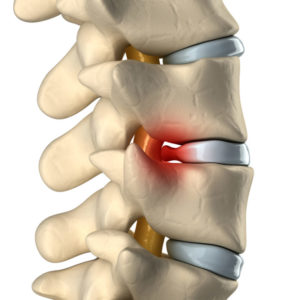
A lumbar disc herniation occurs when the outer ring of a spinal disc weakens or tears, allowing the gel-like inner core to bulge outward into the spinal canal and impinge on adjacent nerve roots.
Located in Tsim Sha Tsui, Kowloon, Your Spine Centre offers dedicated, non-surgical, and drug-free chiropractic care. Our registered chiropractors utilize non-invasive physical modalities to help minimize mechanical nerve irritation and support your long-term spinal health.
Contact our Tsim Sha Tsui chiropractic team: [ Click Here to Consult & Schedule an Assessment via WhatsApp ]
🔍 What is a Lumbar Disc Herniation?
Spinal discs act as flexible, shock-absorbing cushions between each vertebra. Each disc is structurally composed of two parts: a soft inner core called the nucleus pulposus and a tough outer ring known as the annulus fibrosus.
- The Mechanism: When the annulus fibrosus thins, cracks, or tears due to injury or age, a portion of the inner nucleus pulposus escapes through the gap.
- Nerve Irritation: This escaped material can physically pinch or chemically irritate nearby nerve fibers, leading to localized pain, radiating discomfort, numbness, or localized weakness.
🎯 Primary Causes of Disc Herniation
- Age-Related Wear & Tear (Disc Degeneration): As we age, spinal discs naturally lose their water content and elasticity, making them less flexible. Consequently, even a minor strain or twist can cause the outer ring to tear.
- Improper Lifting Mechanics: Many individuals bend from the waist instead of using their leg and thigh muscles when lifting heavy objects. This creates an intense, sudden shearing force on the lower back, a frequent trigger for acute herniations.
- Chronic Postural Strain: Prolonged desk-sitting with poor ergonomic alignment (such as slouching or a forward head tilt) places uneven, continuous pressure on the discs, accelerating structural fatigue.
⚡ Symptoms by Spinal Region
The primary hallmark of a herniated disc is radiating nerve pain, which varies based on the exact location of the affected spinal segment:
- Lumbar Spine (Lower Back - Most Common): This typically triggers sciatica. Sharp, shooting pain or numbness originates in the lower back, travels through the pelvis and buttocks, and radiates down the back of the thighs and calves into the feet. It can lead to lower-limb weakness.
- Cervical Spine (Neck): If a disc herniates in the neck, it irritates cervical nerve roots. This causes discomfort, an electric-shock sensation, or tingling to travel through the shoulders, down the arms, and into the fingers.
- Thoracic Spine (Mid-Back - Rare): Herniated discs in the mid-back lead to localized pain across the spine, which can sometimes radiate along the ribcage toward the chest or abdomen.
🚨 ⚠️ Medical Red Flags (Seek Immediate Emergency Care)
Severe, acute disc herniations can compress the lower bundle of nerve roots, resulting in Cauda Equina Syndrome. If your back or leg pain is accompanied by sudden loss of leg control (e.g., foot drop, falling down), numbness in the saddle area (inner thighs and groin), or sudden bladder/bowel incontinence, bypass clinical care and go straight to the nearest emergency room.
🛠️ Professional, Non-Surgical Chiropractic Framework
At Your Spine Centre, registered chiropractors perform detailed clinical and lifestyle assessments to formulate conservative care protocols:
- Chiropractic Adjustments: Aimed at gently improving spinal joint mechanics and restoring normal structural load distribution.
- Flexion-Distraction Modalities: Utilizing specialized chiropractic tables to provide gentle spinal traction. This increases the space between vertebrae, lowers intradiscal pressure, and helps reduce mechanical irritation on compressed nerves.
📍 Clinic Information & Bookings
- Clinic Name: Your Spine Centre
- Address: Room E, 12/F, China Insurance Building, 48 Cameron Road, Tsim Sha Tsui, Kowloon, Hong Kong
- Hotline: +852 2721 3999
- WhatsApp Quick Booking: +852 5122 0574
Professional Declaration: All clinical assessments and healthcare services at this facility are directly managed and conducted by chiropractors registered under the Chiropractors Council of Hong Kong.