Chiropractic Care for Scoliosis
Classifications, Symptoms, and Advanced Neurotransmitter Research (Tsim Sha Tsui)
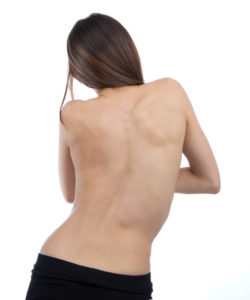
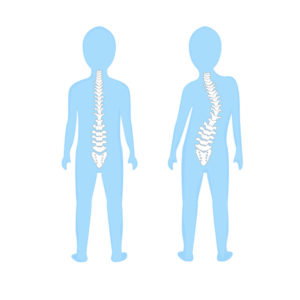
Scoliosis (derived from the Greek word meaning "crooked" or "curved") is a complex medical condition characterized by an abnormal, three-dimensional curvature and rotation of the spine. This curvature can lean to the left or right, presenting in the thoracic spine (upper/mid back), the lumbar spine (lower back), or spanning across both as a thoracolumbar curve. In many clinical presentations, the spine develops a secondary compensatory curve, appearing as an "S-shape" on standing digital X-rays.
Located in the heart of Tsim Sha Tsui, Kowloon, Your Spine Centre provides specialized, non-surgical, and drug-free scoliosis screenings and functional rehabilitation under the management of registered chiropractors.
Contact our Tsim Sha Tsui chiropractic team: [ Click Here to Consult & Schedule a Scoliosis Screening via WhatsApp ]
🔍 Neurotransmitters and Scoliosis: Contemporary Medical Research
Traditional biomechanical frameworks often attribute scoliosis strictly to osseous development or surface muscular imbalances. However, contemporary international clinical trials suggest that biochemical axis imbalances involving central neurotransmitters and melatonin synthesis are significant underlying triggers for the progression of Adolescent Idiopathic Scoliosis (AIS):
- Serotonin (5-HT) — Dynamic Postural Control and Bone Remodeling
Serotonin functions as a vital central modulator responsible for dynamic postural control and baseline paraspinal muscle tone. Recent clinical data reveals that individuals with idiopathic scoliosis frequently display significantly lower blood serotonin levels compared to control groups. This central deficiency weakens the brain's symmetric neurological command over deep stabilizing paraspinal muscles and disrupts healthy bone remodeling, leaving developing vertebrae vulnerable to asymmetric rotational shifts. - Melatonin — Receptor Dysfunction and Asymmetric Growth Signaling
Because serotonin is the biological precursor for melatonin, central serotonin deficiencies directly trigger disruptions in melatonin production and circadian regulation. Current medical focus targets signaling impairments within melatonin receptors (specifically MT2 receptors). Research indicates that osteoblasts (bone-building cells) in AIS patients possess a genetic signaling defect that prevents them from utilizing melatonin properly to balance structural bone growth on both sides of the spinal axis. - Glycine — Inhibitory Balance of Spinal Motor Neurons
Glycine is the primary inhibitory neurotransmitter within the spinal cord, responsible for regulating the excitability of motor neurons. Contemporary neurochemical studies suggest that if localized glycine receptor pathways are impaired or metabolically altered, the spinal reflex arc becomes hyper-excitable. This triggers asymmetric, chronic micro-spasms and tone imbalances in deep spinal muscles like the multifidus. This subconscious, neurogenic pulling is a powerful hidden driver accelerating the Cobb’s angle during growth spurts.
🎯 The 5 Primary Classifications of Scoliosis
To guide proper chiropractic management, scoliosis is clinically categorized into distinct types based on its developmental origins:
- Idiopathic Scoliosis: The most prevalent form, accounting for approximately 80% of all diagnosed cases. It emerges in otherwise completely healthy children and adolescents with normal skeletal bone health, driven by the intricate neurochemical, endocrine, and hereditary factors detailed above.
- Congenital Scoliosis: Occurs when the small vertebral bones in the spinal column fail to form correctly or separate during fetal development before birth.
- Neuromuscular Scoliosis: Directly linked to underlying disorders of the central nervous or muscular systems—such as cerebral palsy, muscular dystrophy, or spina bifida—where severe muscle spasms physically twist the spinal column out of its vertical axis.
- Mechanical / Functional Scoliosis: A structural adaptation where the spine looks curved but possesses no inherent vertebral deformity. It is frequently caused by a leg length discrepancy (one leg physically longer than the other) that tilts the pelvis. The upper spine compensate for this unlevel foundation by leaning to the opposite side.
- Adult Degenerative Scoliosis: A condition that develops later in life, primarily driven by long-term structural wear and tear, asymmetric lumbar disc degeneration, and advanced spinal osteoarthritis.
⚠️ Visual Indicators and Structural Symptoms of Scoliosis
Scoliosis directly modifies a patient's physical appearance and underlying skeletal mechanics. As the spine bends laterally, individual vertebrae typically undergo a rotational twist, pulling the ribcage along with them. This creates distinct visual changes ranging from mild to severe:
- Asymmetric Shoulder and Pelvic Alignment: One shoulder noticeably slants downward, an unlevel waistline, or one hip sitting prominently higher than the other.
- Scapular and Rib Prominence: One shoulder blade sticks out further than the other; when bending forward from the waist, the spinal curvature and a distinct rib hump (rib hump chest basket) become significantly more pronounced.
- Axial Displacement: The head does not align over the absolute center of the pelvis, causing the entire torso to lean visibly to one side. The spaces between the arms and the body appear noticeably unequal.
- Soft Tissue Alterations: Noticeable differences in skin texture, muscle tone, or contour lines on either side of the spine. In female patients, this structural twisting can cause the breasts to appear asymmetrical or misaligned.
- Long-Term Systemic Effects: Severe, unmanaged scoliosis can eventually compress the thoracic cavity, placing continuous internal pressure on the cardiorespiratory organs, which may negatively impact long-term lung function.
🛠️ Professional, Non-Surgical Chiropractic Management
Understanding that scoliosis involves an intricate feedback loop between the brain, central neurotransmitter pathways, deep paraspinal muscle tone, and structural biomehetics, standard flat-surface massages are insufficient. Your Spine Centre delivers structured, non-invasive protocols:
- Precise Chiropractic Adjustments: Targeted manual joint mobilization aimed at correcting mechanical vertebral dysfunctions (subluxations), optimizing sensory feedback from proprioceptors to the central nervous system, and reducing localized nerve irritation.
- Asymmetric Functional Rehabilitation: Under clinical guidance, patients undergo customized core exercises designed to rebalance paraspinal muscle tension and retrain the brain's neuromuscular system to hold a more symmetrical posture.
- Growth and Ergonomic Coaching: Educating adolescents and parents on proper postural habits, assessing the impact of heavy school bags on spinal load, and providing tailored ergonomic adjustments to protect the spine during key growth phases.
📍 Clinic Information & Bookings
Do not allow developing spinal misalignments to progress into fixed, lifelong structural deformities. Contact our clinical team today to arrange a detailed scoliosis and neurological function screening.
- Clinic Name: Your Spine Centre
- Address: Room E, 12/F, China Insurance Building, 48 Cameron Road, Tsim Sha Tsui, Kowloon, Hong Kong
- Hotline: +852 2721 3999
- WhatsApp Quick Booking: +852 5122 0574
Professional Declaration: All clinical assessments and scoliosis healthcare management at this facility are directly overseen and conducted by chiropractors registered under the Chiropractors Council of Hong Kong.